Proudly serving Phoenix, Mesa, Scottsdale, Tempe, Chandler, Glendale & surrounding areasCall or Text 24/7: 480-300-4493
Aerial drone view of a residential neighborhood with Saguaro cacti and stucco homes in Phoenix, AZ.

Commercial Refrigeration Repair, Installation & Maintenance in Phoenix, AZ

Phoenix Commercial HVAC provides commercial refrigeration repair, installation, replacement, and maintenance for restaurants, grocery stores, convenience stores, medical facilities, and other Phoenix operations. We service walk-in coolers and freezers, reach-in cases, ice machines, compressors, rack systems, glycol loops, and remote condensing equipment. Our work also covers refrigerant leak detection, temperature controls, and emergency response when product or compliance is at risk. Each recommendation accounts for Phoenix heat loads and the operating needs of the facility.

Phoenix summer temperatures can remain above 110°F for weeks, placing sustained load on condensers and compressors. Equipment rated around a 95°F climate can underperform under those conditions, so sizing and diagnosis must reflect local design ambient temperatures. Our technicians carry EPA Section 608 Universal certification for refrigerant handling, and our crews hold active Arizona Registrar of Contractors licensing. Work follows ASHRAE guidance and International Mechanical Code requirements for the job at hand.

From a warm display case on Bell Road to a walk-in near Downtown, we approach refrigeration problems as product-protection and food-safety issues, not comfort complaints.

Phoenix Commercial HVAC provides commercial refrigeration service in Phoenix, Scottsdale, Tempe, Mesa, Chandler, Glendale, and the greater Maricopa County metro area.

★ ★ ★ ★ ★4.9/5.0 Customer Rating · 31 Years of HVAC Experience · Thousands of Commercial Systems Serviced · Licensed, Bonded & Insured · Serving Commercial & Industrial Properties

Commercial Refrigeration Options & Benefits

What Commercial Refrigeration Service Covers

Commercial refrigeration service keeps food, medical products, and other temperature-sensitive inventory within the required range. It includes diagnosis, repair, installation, replacement, preventive maintenance, leak detection, refrigerant recovery, and performance verification.

The equipment can be self-contained or split, with remote condensing racks, copper line sets, glycol loops, evaporator assemblies, defrost controls, and low-temperature compressors. Service decisions depend on refrigerant pressures, electrical performance, airflow, door traffic, heat load, and the equipment manufacturer's specifications.

A commercial refrigerator running even 5 to 8 degrees above setpoint can put product into the food-safety danger zone within hours. Prompt testing identifies whether the fault is mechanical, electrical, airflow-related, or tied to refrigerant charge.

Benefits of Professional Refrigeration Service

A service plan built around the equipment and facility can reduce preventable downtime, protect stored product, and keep temperature records useful for compliance. The same inspection can also reveal problems that affect compressor life and operating cost.

  • Cooling-load calculations matched to Phoenix design conditions
  • Suction and head pressure logs checked against manufacturer specifications
  • Condenser and evaporator coil cleaning that supports airflow
  • Door gasket and hardware checks that limit warm-air infiltration
  • Temperature monitoring and alarm points for earlier warning
  • Refrigerant recovery and documentation aligned with Section 608
  • Combined refrigeration and rooftop-unit checks for the mechanical footprint
  • Common replacement parts stocked to resolve many calls on the first visit
Phoenix Refrigeration Support

Commercial Refrigeration Services

We support the refrigeration system from initial load calculation through installation, maintenance, diagnosis, repair, and eventual replacement. Service is tailored to the equipment type, refrigerant, temperature requirement, facility use, and failure history.

Commercial Refrigeration Repair

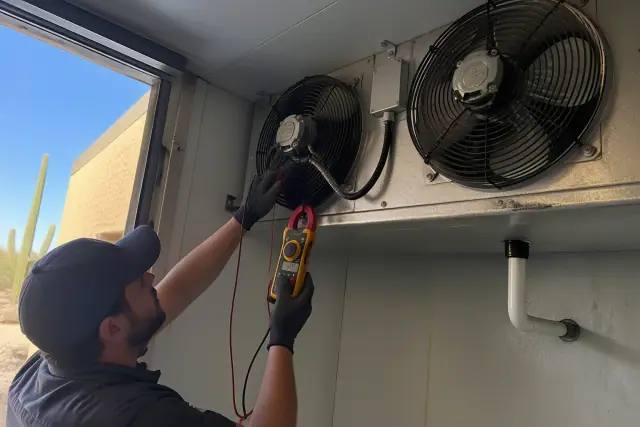
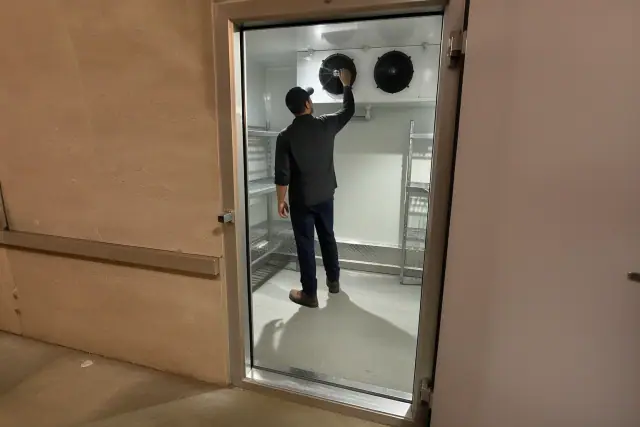
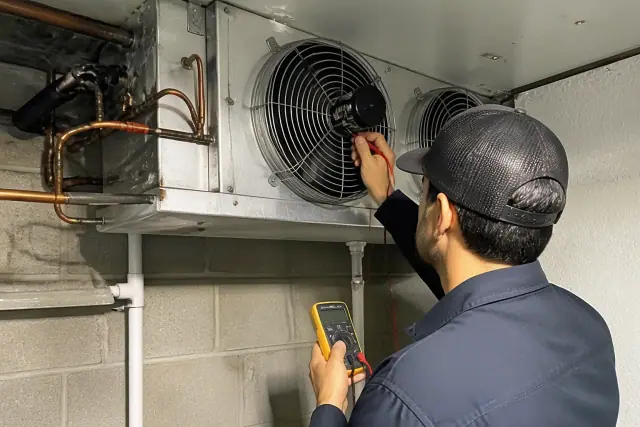
Technician testing an evaporator fan motor inside a walk-in refrigerator in Phoenix, AZ.

We diagnose failed start relays, dirty condenser coils, refrigerant undercharge, worn door gaskets, bad evaporator fan motors, defrost timers, capacitors, and control boards. Service vans carry common contactors, capacitors, timers, and gaskets so many faults can be resolved without a return visit.

Request Estimate

Installation and System Replacement

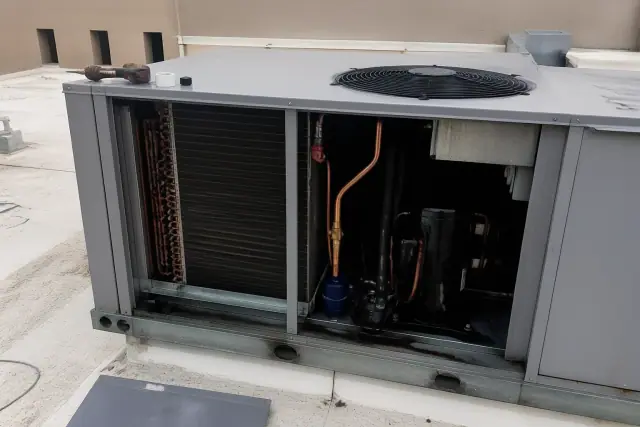
Technician performing a commercial refrigeration system replacement on a rooftop in Phoenix, AZ.

New and replacement systems are selected through cooling-load calculations that account for kitchen heat, door traffic, evaporator output, and condensing-unit capacity. Installation includes panel and line-set coordination, electrical rough-in, pressure testing, evacuation, charging, and final performance checks.

Request Estimate

Preventive Refrigeration Maintenance

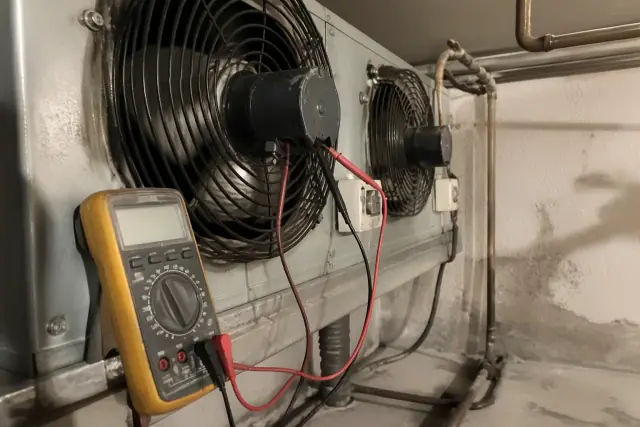
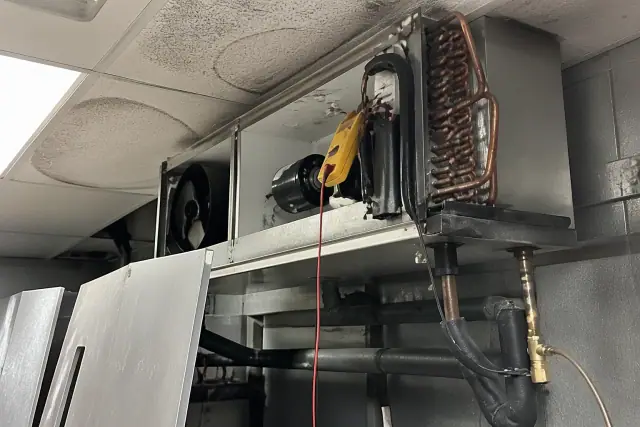
Technician testing an evaporator fan motor in a commercial walk-in cooler in Phoenix, AZ.

Maintenance covers coil cleaning, charge verification, electrical connection torque, door seals, drain lines, compressor amp draw, superheat, subcooling, defrost timing, and fan operation. In Phoenix, spring service before temperatures climb past 100°F in May and fall service before holiday volume help prepare equipment for peak demand.

Request Estimate

Walk-In Cooler and Freezer Repair

Technician testing an evaporator coil fan motor inside a commercial walk-in cooler in Phoenix, AZ.

We inspect temperature logs, refrigerant pressures, door seals, defrost controls, evaporator fans, and condenser performance before opening panels. Common walk-in cooler work such as gasket replacement, fan-motor swaps, and control-board resets is often completed the same day, while freezer service also addresses frost buildup and low-temperature compressor operation.

Request Estimate

Commercial Ice Machine Service

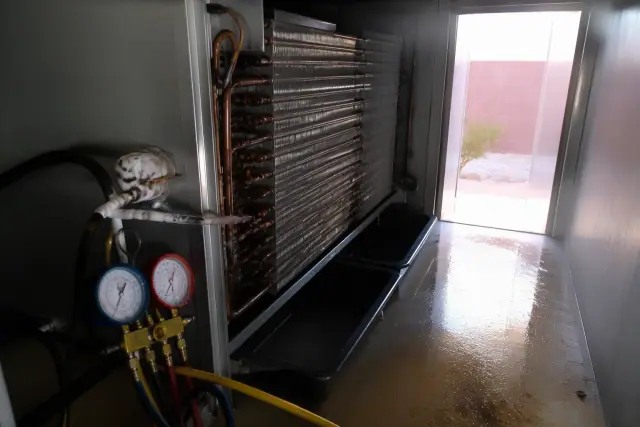
Copper evaporator coil with soldered joints and manifold gauges inside a walk-in cooler in Phoenix, AZ.

Low production, slow harvest, and no-ice conditions may trace to a dirty water filter, scaled evaporator plate, or failing water valve. We descale the water system and clean and sanitize ice-forming surfaces and bins to manufacturer specifications and NSF-referenced food-equipment standards.

Request Estimate

Compressor and Refrigerant Leak Service

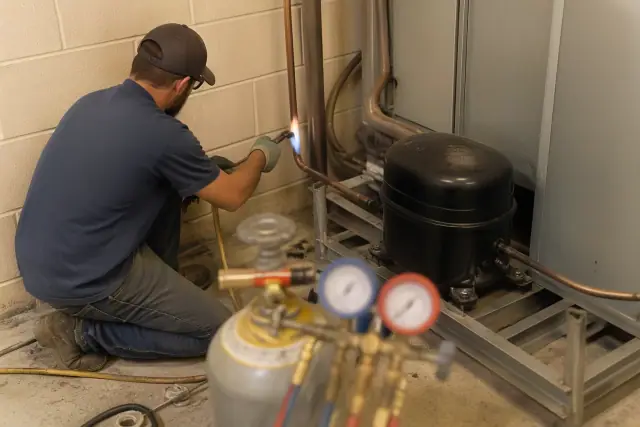
Technician soldering copper refrigerant lines on a commercial compressor unit in a Phoenix, AZ mechanical room.

Compressor diagnosis includes amp-draw checks against the nameplate, capacitor testing, and megohm testing of motor windings before replacement is recommended. Leak service uses electronic detection, ultraviolet dye, and soap-bubble testing at joints, fittings, and valves, followed by repair, recovery documentation, and verification rather than repeated top-offs.

Request Estimate
Equipment We Support

Commercial Refrigeration Equipment Options

Commercial facilities rely on different refrigeration layouts for display, storage, production, and ice demand. We work on self-contained equipment, split systems, remote racks, glycol loops, and low-temperature systems, matching service methods to each configuration.

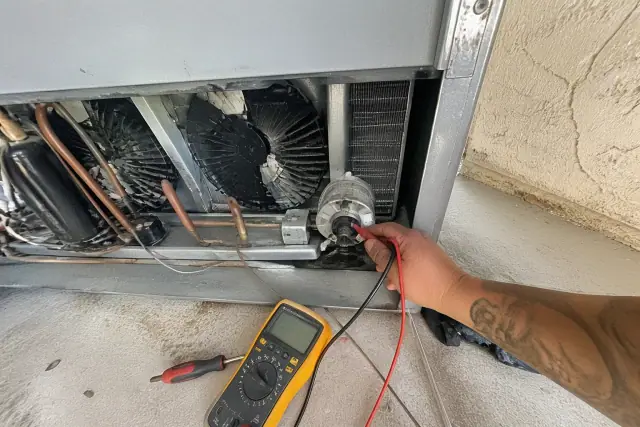
Contractor repairing an evaporator coil in a reach-in cooler at a jobsite in Phoenix, AZ.

Reach-In Coolers and Display Cases

Reach-in and display equipment may package the refrigeration components in a self-contained cabinet or connect the evaporator to a remote condenser. Correct load selection and steady airflow help cases recover after doors open without driving the compressor into short cycles.

  • Self-contained refrigeration assemblies
  • Remote condensing connections
  • Door-traffic-aware load calculations
  • Evaporator output matched to condenser capacity
  • Fan, gasket, relay, and control service
Request Estimate
Contractor view of a disassembled commercial refrigeration unit during repair in a Phoenix, AZ restaurant.

Walk-In Cooler Systems

Walk-in coolers depend on a tight enclosure, reliable door hardware, clear evaporator airflow, clean drainage, and a condenser that can reject heat outdoors. Low-humidity gasket wear and Phoenix ambient heat make seal and condenser checks especially important.

  • Panel and enclosure assessment
  • Door gasket and hardware adjustment
  • Evaporator coil and fan service
  • Defrost and drain-line checks
  • Temperature log and setpoint review
Request Estimate
Interior of a walk-in commercial refrigeration unit with an evaporator coil in a Phoenix, AZ facility.

Low-Temperature Freezer Systems

Low-temperature systems run tighter tolerances than standard coolers and depend on reliable defrost termination, compressor operation, and refrigerant charge. Monitoring and alarm points can flag temperature drift before frozen product is compromised.

  • Defrost heater and termination-control testing
  • Frost and ice-buildup removal
  • Low-temperature compressor diagnostics
  • Charge verification against superheat targets
  • Temperature monitoring and alarm integration
Request Estimate
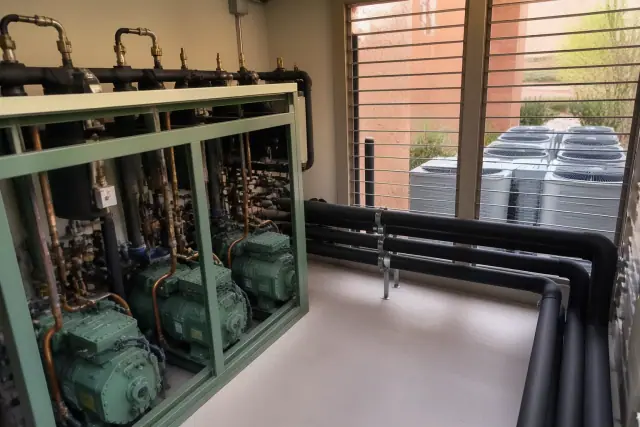
Commercial refrigeration rack and remote condensing systems with insulated copper pipes in a Phoenix, AZ mechanical room.

Rack and Remote Condensing Systems

Remote condensing racks and split refrigeration layouts can serve multiple cases or storage zones while moving heat rejection away from the refrigerated space. We service copper line sets, rack components, glycol loops, and systems using current-generation refrigerants as phase-down schedules evolve.

  • Split refrigeration configurations
  • Remote condensing racks
  • Glycol-loop service
  • R-448A refrigeration systems
  • R-449A refrigeration systems
Request Estimate
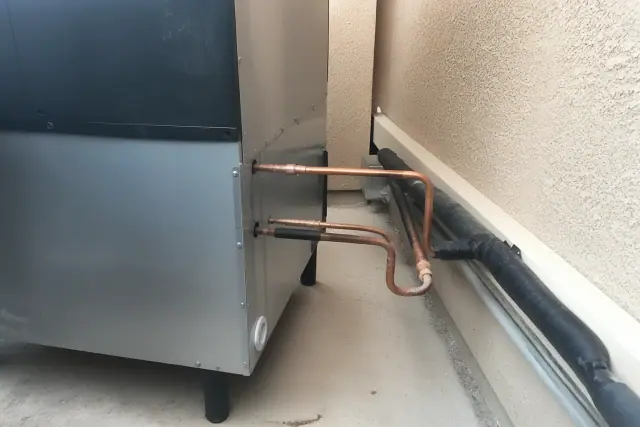
Commercial ice machine installed with copper refrigerant lines and insulation against a stucco wall in Phoenix, AZ.

Commercial Ice Machines

Phoenix hard water can accelerate scale on the water circuit and ice-forming surfaces, shortening the useful service interval. Diagnosis, descaling, sanitization, and demand-based replacement sizing address both production and food-equipment cleanliness.

  • Water-filter inspection
  • Evaporator-plate descaling
  • Water-valve diagnosis
  • Ice bin and surface sanitization
  • Replacement sizing for peak demand
Request Estimate
Facility-Focused Planning

Choosing the Right Refrigeration Approach

The right approach starts with the equipment's age, refrigerant type, repair history, measured condition, and actual cooling demand. Facilities that add display cases or expand kitchen space can outgrow the original design, while a first major failure on otherwise supportable equipment may favor repair. We explain the factors behind the recommendation before work moves forward.

Phoenix Design-Ambient Sizing

We size compressors and condensers for local design ambient conditions, kitchen heat load, door traffic, and required evaporator output. This helps prevent undersizing and short-cycling when Phoenix cooling demand is at its highest.

EPA-Certified Refrigerant Handling

EPA Section 608 Universal-certified technicians handle recovery, reclaim documentation, charging, and leak work. Recovery practices follow Clean Air Act requirements, with Arizona Department of Environmental Quality standards considered for handling and disposal.

Mechanical and Food-Service Coordination

Installations are aligned with International Mechanical Code and Maricopa County Environmental Services permitting requirements for food-service equipment. We coordinate mechanical inspections with the local permit office to keep required sign-offs from delaying health-department certification.

What Sets Us Apart

Why Choose Phoenix Commercial HVAC for Refrigeration Service?

Commercial refrigeration requires decisions that account for food safety, facility operations, local heat, and refrigerant compliance at the same time. Our process brings those factors together through measured diagnostics, equipment-specific testing, documented recovery practices, and recommendations based on system condition and load.

Request an Assessment

High Condenser Heat Load

Rooftop and exterior condensers must reject heat into already-hot Phoenix air. An undersized or aging condensing unit can run longer, lose capacity, and accelerate other refrigeration failures during the extended cooling season.

Dirty Coils and Restricted Airflow

Blocked condenser surfaces raise head pressure, while restricted evaporator airflow can cause icing and weak temperature recovery. Cleaning both coils and confirming fan operation addresses the heat-transfer problem instead of only adjusting refrigerant charge.

Door Seal Air Infiltration

Dry, worn, or misaligned gaskets allow warm air into the box and add moisture that can freeze on the evaporator. Seal inspection and door-hardware adjustment help the enclosure hold temperature without forcing longer compressor cycles.

Defrost and Icing Failures

A burned-out defrost heater, failed termination control, restricted airflow, or timer fault can leave an evaporator encased in ice. Diagnosis checks the full defrost sequence so clearing frost does not become a temporary fix for a recurring control problem.

Refrigerant Leaks and Undercharge

Low charge may show up as poor cooling, abnormal pressures, or evaporator icing, but adding refrigerant without finding the leak delays the real repair. We test braze joints, flare fittings, and service valves, repair the leak, and verify the system before recharging.

Compressor and Electrical Failures

Failed contactors, start relays, capacitors, fan motors, or windings can stop refrigeration even when the sealed circuit is intact. Electrical measurements and winding tests separate a failed support component from a compressor that truly needs replacement.

How It Works

Our Commercial Refrigeration Process

The process moves from facility context and measured diagnosis to a documented repair, installation, or replacement recommendation. Final testing confirms that pressure, electrical operation, airflow, defrost, and temperature performance align with the equipment and application.

01.

Review the Facility and Temperature Records

We start with the equipment type, stored product, required setpoint, temperature logs, room and kitchen heat, door traffic, and recent symptoms. This context directs the testing and shows whether the system is still matched to the facility's current use.

02.

Test Components and the Refrigeration Cycle

Testing can include suction and head pressure, superheat, subcooling, compressor amp draw, capacitors, windings, electrical connections, fans, coils, seals, drains, and defrost controls. Readings are compared with nameplate and manufacturer specifications before a component is condemned.

03.

Compare Repair and Replacement

We weigh system age, refrigerant support, repair cost, failure history, measured capacity, and facility changes. The recommendation distinguishes a repairable first failure from recurring problems or equipment that no longer matches the load.

04.

Repair Leaks and Failed Components

The approved work may include a sealed-system joint repair, gasket or fan replacement, control correction, coil cleaning, or compressor work. After a refrigerant-circuit repair or installation, dry-nitrogen pressure testing is performed at 150-300 psi depending on system type.

05.

Evacuate, Charge, and Tune the System

When the sealed circuit is opened, we pull a deep vacuum below 500 microns and confirm that it holds before charging. Refrigerant charge and system settings are then verified against the equipment's requirements, including low-temperature superheat targets where applicable.

06.

Verify Temperature and Documentation

Final checks confirm temperature pull-down, cycling, fan and defrost operation, door sealing, and pressure stability. We record relevant readings and recovery activity, verify alarm points when present, and coordinate required mechanical sign-off for installations.

Protect Temperature-Sensitive Inventory

Schedule Commercial
Refrigeration
Service

Call for refrigeration repair, system planning, maintenance, or replacement support for a Phoenix-area restaurant, grocery store, convenience store, medical facility, or other commercial operation. For after-hours failures, our 24-hour response treats a 2 a.m. product-risk call with the same technical process as a daytime call, with severity prioritized around spoilage and food-safety exposure.

Commercial Refrigeration Help

Commercial Refrigeration FAQs

These answers cover refrigeration operation, common faults, safe temperatures, maintenance, installation, replacement decisions, leak handling, and emergency response for Phoenix commercial facilities.

Call Our Refrigeration Experts

Refrigeration relies on compression, condensation, expansion, and evaporation in a continuous cycle. The compressor raises pressure and temperature, the condenser rejects heat, the expansion device drops pressure, and the evaporator absorbs heat from the refrigerated space. Pressure and temperature readings across those stages help identify mechanical, electrical, and charge-related faults.

Common faults include dirty condenser coils, worn door gaskets, failed evaporator fans, slow refrigerant leaks, defrost-control problems, bad start relays, and weak capacitors. Extended compressor run time during Phoenix heat can make these issues surface faster when cleaning and inspection are deferred.

Commercial refrigerators should hold food between 36°F and 38°F, with 40°F as the FDA Food Code upper limit. Some walk-in coolers are set at 34°F to 36°F, while freezers must hold 0°F or below. Low-temperature reach-ins may operate from -10°F to -20°F depending on the product.

Most commercial refrigeration repair calls involve a diagnostic fee in the $150-$250 range. Parts and labor are billed separately after the fault is identified, so the final repair cost depends on the failed component and work required.

Quarterly service can catch neglected coils, low charge, electrical drift, gasket wear, and blocked drains before they become larger failures. Phoenix facilities also benefit from timing seasonal HVAC and refrigeration work around spring heat and fall business volume.

A typical walk-in cooler or freezer installation takes 2 to 5 days, depending on panel assembly, refrigeration line-set routing, and electrical rough-in. The sealed circuit is pressure-tested and evacuated before refrigerant is charged and performance is verified.

Commercial refrigeration equipment generally lasts 10 to 15 years, with some well-maintained systems reaching 15 to 20 years. Repair often makes sense under 8 years of age or when the repair is under 40% of new-unit cost. Replacement becomes more compelling over 10-12 years, when repair exceeds 50% of new-unit cost, the refrigerant is phased out, or major failures repeat within 12 months. Actual system condition and cooling demand still guide the recommendation.

Replacement is often considered when an ice machine is past the 7 to 10 year mark and has recurring scale-related failures that make repair uneconomical. A replacement should be sized to the facility's actual peak ice demand rather than the old unit's nameplate alone.

Electronic detectors, ultraviolet dye, and soap-bubble testing can pinpoint leaks at braze joints, flare fittings, and service valves. After the joint is repaired, the circuit is pressure-tested with nitrogen and checked under vacuum decay before charging. Recovery and reclaim activity is documented under EPA Section 608 requirements.

A condenser must reject system heat into outdoor air, so hotter ambient conditions reduce its margin and increase compressor run time. Local design conditions, kitchen heat, door traffic, airflow, and condenser cleanliness all need to be considered when sizing or diagnosing equipment.

Dirty coils alone can reduce refrigeration efficiency by 20 to 30 percent by forcing longer compressor cycles. ENERGY STAR-certified commercial refrigeration equipment operates 20 to 40 percent more efficiently than non-certified units, and proper maintenance helps equipment stay closer to rated performance.

Yes. Phoenix Commercial HVAC provides emergency refrigeration response for restaurants, grocery stores, and medical facilities when spoilage, food safety, or monitored storage is at risk. Dispatch is prioritized by severity, and temporary refrigeration or product relocation may help protect inventory when a permanent part must be ordered.

We service split and self-contained equipment, reach-in cases, walk-in coolers and freezers, remote condensing racks, glycol loops, low-temperature systems, ice machines, and compressors. Refrigerant work includes R-448A, R-449A, and other current-generation refrigerants, with handling practices adjusted as EPA phase-down schedules evolve.